
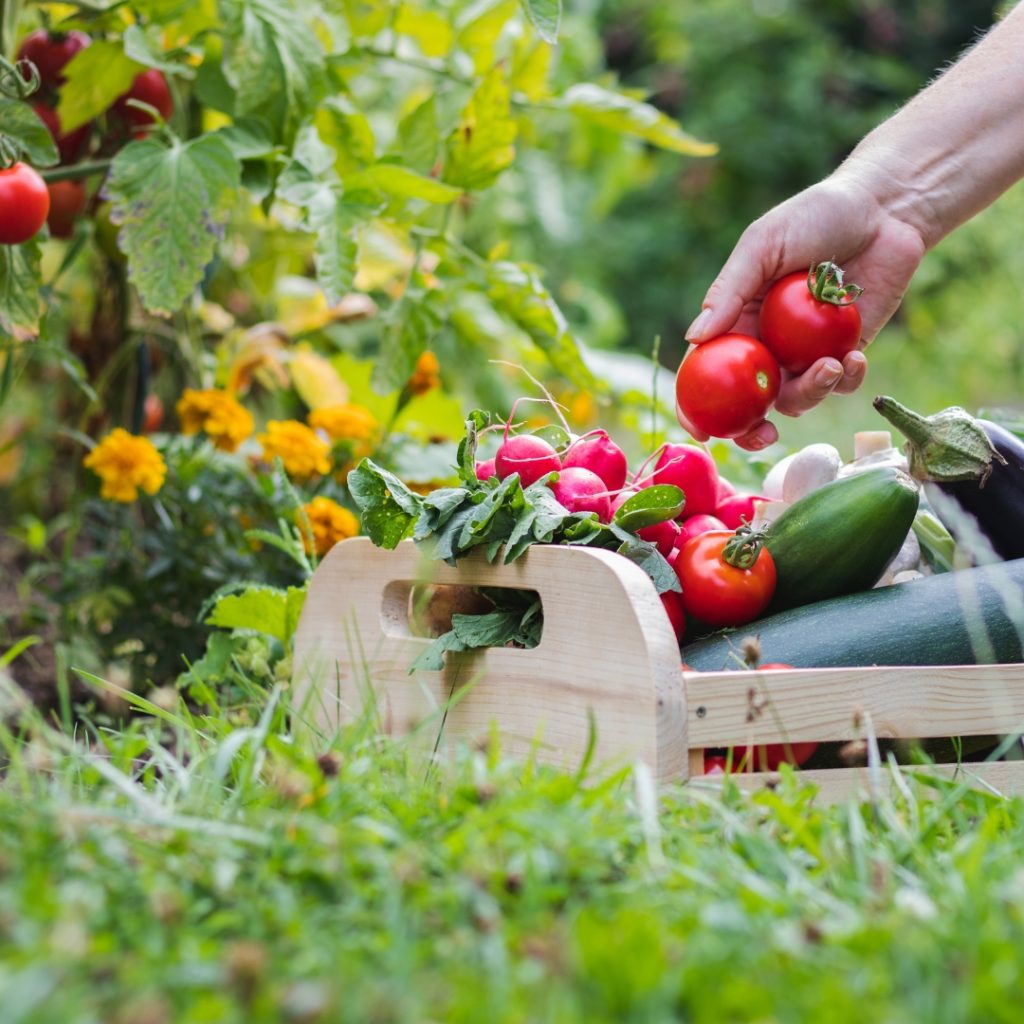
Starting an organic garden is an exciting journey that not only provides fresh, chemical-free produce but also contributes to a healthier environment. Whether you’re a beginner or have some gardening experience, setting up an organic garden requires some know-how and planning. This guide will walk you through the essential steps to start your own organic garden and set yourself up for success.
Step 1: Choose the Right Location
Select a spot in your yard or outdoor space that receives ample sunlight—ideally, at least 6-8 hours per day. Most vegetables and fruits thrive with plenty of sunlight. Ensure that the area has good drainage and is protected from strong winds.
Step 2: Prepare Your Soil
Healthy soil is the foundation of any successful organic garden. Start by testing your soil’s pH and nutrient levels. Organic gardens typically do well with a pH between 6.0 and 7.5. Enrich your soil with organic compost or well-rotted manure to enhance fertility. Avoid synthetic fertilizers and chemicals, opting instead for natural soil amendments like bone meal or fish emulsion.
Step 3: Choose Organic Seeds and Plants
Make sure to select certified organic seeds or starter plants. These have not been treated with chemical pesticides or genetically modified. You can source organic seeds from local garden centers or reputable online seed suppliers.
Step 4: Plan Your Garden Layout
Consider the size of your garden and the types of plants you wish to grow. Companion planting—pairing plants that benefit each other—can help with natural pest control and enhance growth. For instance, planting basil near tomatoes can deter certain pests and improve flavor.
Step 5: Water Wisely
Organic gardening emphasizes conservation and smart watering practices. Water early in the morning or late in the afternoon to minimize evaporation. Using drip irrigation or soaker hoses helps deliver water directly to the roots while saving water. Mulching around your plants also retains soil moisture and reduces the need for frequent watering.
Step 6: Use Natural Pest Control Methods
Avoid chemical pesticides and opt for natural solutions to protect your plants. Introduce beneficial insects like ladybugs and praying mantises to control harmful pests. Neem oil, garlic spray, and insecticidal soaps are effective organic pest control options. Regularly inspect your plants for signs of pests or disease, and remove affected leaves to prevent spread.
Step 7: Practice Crop Rotation
Crop rotation helps maintain soil health and prevent the buildup of pests and diseases. Each season, move plants to different areas of your garden to ensure that the soil remains nutrient-rich and balanced. For example, follow heavy feeders like tomatoes with nitrogen-fixing plants like beans.
Step 8: Harvest and Replenish
Harvest your crops when they are ripe to encourage continued growth. After harvesting, replenish the soil with compost or organic mulch to maintain its fertility for the next planting cycle. Common Beginner Questions Q: How do I keep weeds under control in an organic garden? A: Use mulch or organic weed barriers, and hand-pull weeds regularly. Mulch not only controls weeds but also helps retain soil moisture and adds nutrients as it breaks down. Q: What are some easy plants for beginners to grow? A: Start with hardy, low-maintenance plants like lettuce, radishes, tomatoes, and herbs such as basil and mint. These grow quickly and are relatively easy to manage. Final Thoughts Starting an organic garden is a fulfilling way to grow nutritious food while caring for the environment. By following these essential tips, you’ll be on your way to cultivating a thriving, sustainable garden that provides fresh, healthy produce season after season. Embrace the process, learn from each season, and enjoy the rewards of organic gardening.