
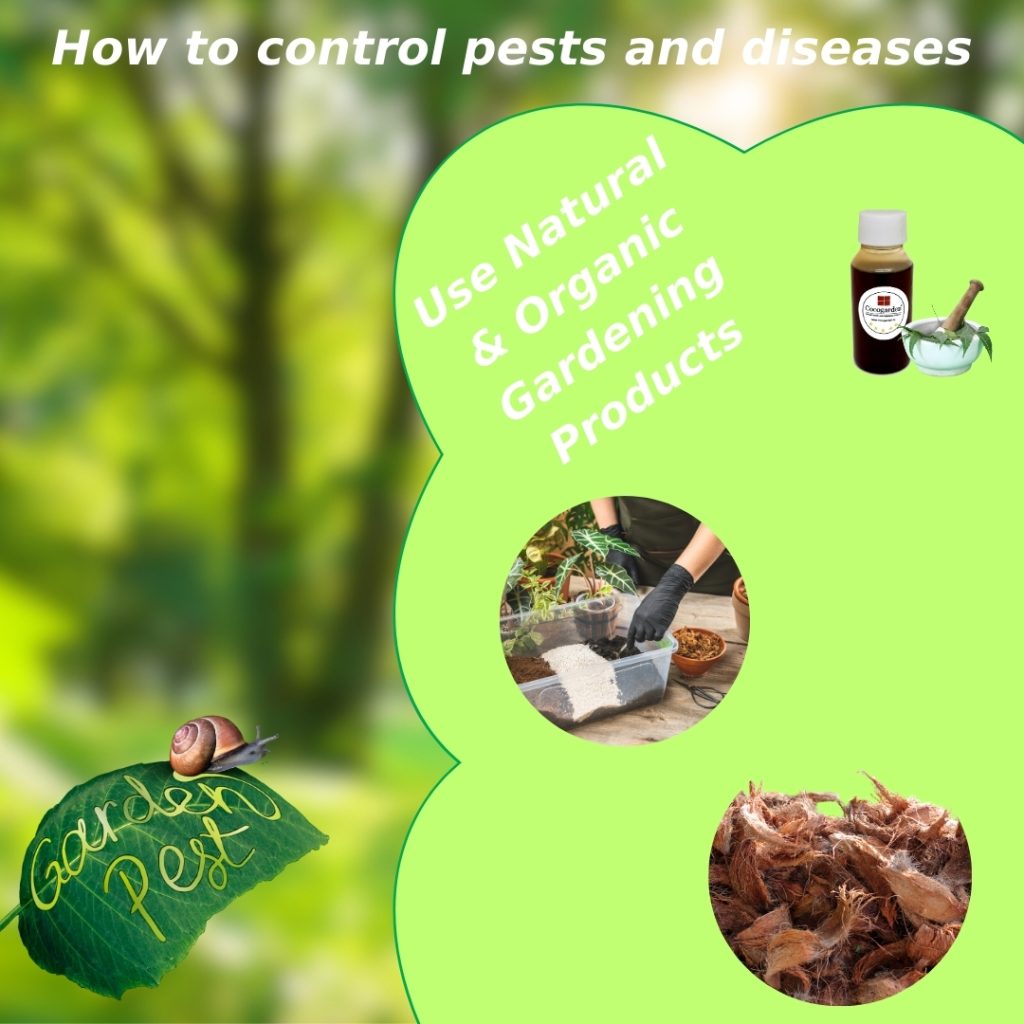
A beautiful, thriving garden can be easily threatened by pests and diseases. Whether you’re growing vegetables, flowers, or shrubs, controlling these garden invaders is key to maintaining plant health and ensuring vibrant growth. Left unchecked, pests and diseases can cause significant damage, reduce yields, and even kill your plants. Thankfully, there are many natural and effective ways to safeguard your garden. In this post, we’ll cover some of the best tips for controlling pests and diseases, keeping your garden healthy and flourishing throughout the year.
1. Regularly Inspect Your Plants for Early Signs of Pests and Diseases
The best defense against pests and diseases is early detection. Regularly inspect your plants for signs of damage, such as discolored leaves, holes, or sticky substances, which may indicate pest activity. Look out for common garden pests like aphids, spider mites, or slugs, and check for symptoms of diseases like powdery mildew, rust, or blight. By spotting problems early, you can take action before pests or diseases spread and cause widespread damage. A quick walk through your garden once or twice a week will help you stay on top of any issues.
2. Use Natural and Organic Pest Control Methods
Chemical pesticides can harm beneficial insects and the environment, so many gardeners prefer using organic solutions to control pests. Natural methods like neem oil, insecticidal soap, and diatomaceous earth are effective in eliminating a range of pests without harming your plants or surrounding wildlife. Neem oil, for example, is a natural insecticide that targets insects without affecting pollinators like bees. You can also use companion planting to repel pests; planting marigolds, for example, can help deter aphids and other common garden pests.
3. Maintain Healthy Soil and Promote Plant Vitality
Healthy plants are more resilient to pests and diseases. Start by ensuring your soil is rich in nutrients,
well-draining, and pH-balanced for the plants you’re growing. Add organic compost or well-rotted manure to improve soil fertility and structure. Mulching around plants helps retain moisture, suppress weeds, and regulate soil temperature, which supports plant health. The stronger and healthier your plants are, the better they can resist pests and diseases. Regular feeding with organic fertilizers and proper watering techniques are also crucial in maintaining plant vitality.
4. Practice Crop Rotation and Garden Hygiene
Rotating crops each season is a simple and effective method to reduce the risk of pest infestations and soil-borne diseases. Many pests and diseases are plant-specific, so changing the location of your crops prevents pests from becoming too accustomed to a particular area. Additionally, practicing good garden hygiene is essential. Remove dead or decaying plant material, which can harbor pests and pathogens. Clean gardening tools between uses to prevent spreading diseases from plant to plant. By keeping your garden tidy, you minimize the risk of pest and disease buildup.
5. Use Physical Barriers to Protect Your Plants
Physical barriers are an excellent way to keep pests away from your plants. Row covers or garden netting can be draped over crops to prevent insects from landing on them, while cages or stakes can protect fruits and vegetables from larger animals like rabbits or squirrels. Slug collars around plant stems can help protect young plants from slug damage, and insect netting is a great way to prevent moths from laying eggs on your plants. These simple, non-toxic methods can be incredibly effective at keeping pests at bay while allowing your plants to grow safely.