
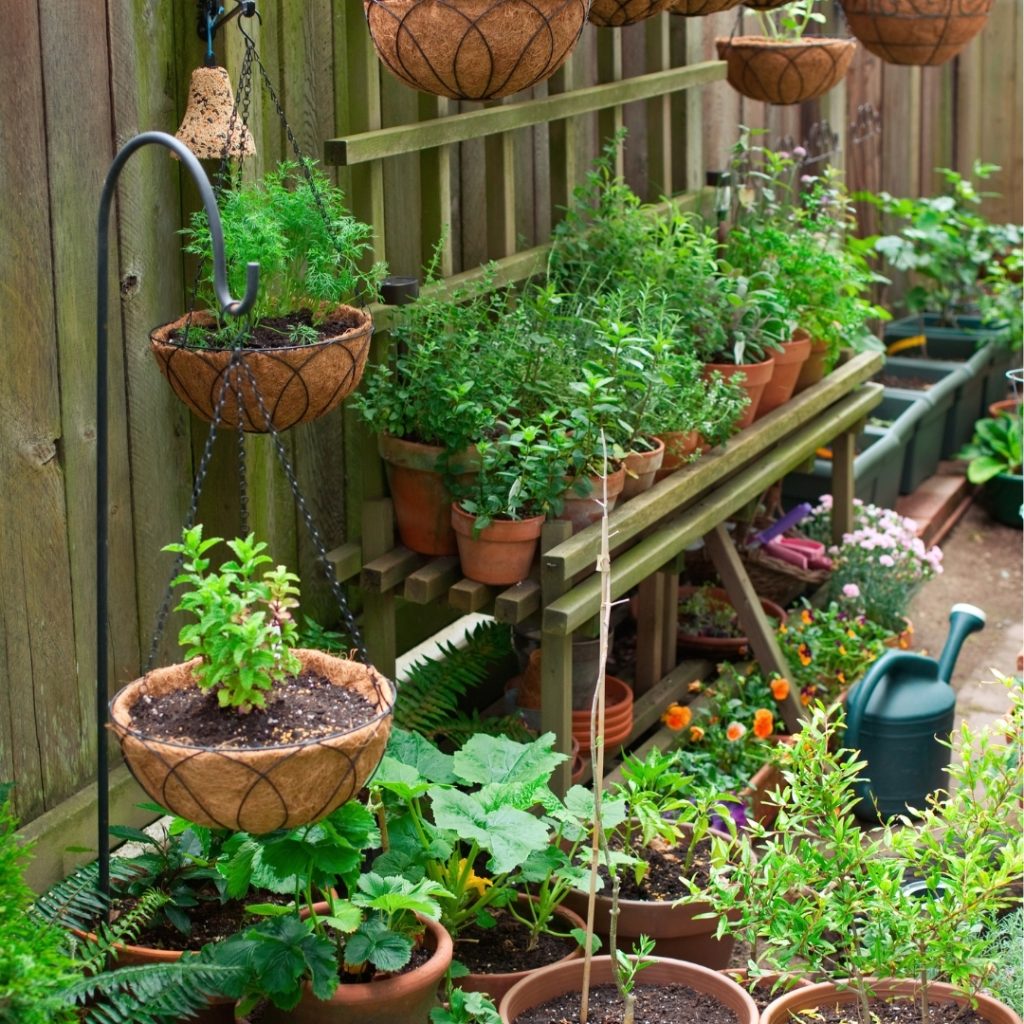
Choosing the perfect planter for your garden can be both exciting and essential to your plants’ success. Planters come in a variety of sizes, materials, and styles, each impacting plant health, soil moisture, and aesthetic appeal. Whether you’re decorating a small patio or setting up a large outdoor garden, this guide will walk you through the key factors to consider. Let’s dive into the specifics of selecting the ideal planter that’s functional, stylish, and tailored to your gardening needs.
1. Consider the Right Size for Your Plants
Choosing the correct planter size is one of the most crucial factors in plant health. Small plants like herbs or succulents can thrive in compact pots, while larger or fast-growing plants, like tomatoes or shrubs, require deeper, wider containers for root expansion. Typically, your planter should be at least 1-2 inches larger than the plant’s root ball for proper growth. Keep in mind that larger planters hold more soil, which retains moisture longer, meaning you may need to adjust your watering schedule. A well-sized planter provides space for roots to breathe, absorb nutrients, and anchor securely.
2. Select the Best Material for Durability and Plant Needs
Planters come in many materials, each offering distinct advantages. Terra cotta is a popular choice that allows for natural airflow but can dry out quickly, making it ideal for drought-tolerant plants like cacti
and succulents. Plastic planters are lightweight and moisture-retentive, great for plants needing consistent hydration. Ceramic pots add beauty but are best kept indoors, as they may crack in extreme cold. Metal planters provide a modern aesthetic but can overheat in direct sunlight, which might affect delicate roots. Choose a planter material based on both your garden’s climate and the plant’s water and temperature needs.
3. Ensure Proper Drainage to Prevent Root Rot
Drainage is essential to healthy plants. Planters should ideally have at least one drainage hole to allow excess water to escape, preventing waterlogging and root rot. If you have a decorative pot without drainage holes, consider placing a nursery pot with drainage inside it or adding a layer of gravel at the bottom. This technique allows for moisture control while keeping your decorative setup. Proper drainage also reduces the risk of overwatering, ensuring that plants get the oxygen they need for root health and robust growth.
4. Choose a Style that Complements Your Garden Aesthetic
While functionality is key, style shouldn’t be overlooked. Planters can enhance your garden’s aesthetic and add personality to your space. If you prefer a rustic look, terra cotta and natural clay pots bring warmth and charm. Sleek metal or concrete planters can give a modern, minimalistic touch, while colorful ceramic pots add vibrancy to patios and balconies. Mixing different planter shapes, sizes, and heights creates visual interest, making your garden feel dynamic and well-curated. Matching planter styles to your overall garden or home decor can create a cohesive and inviting space.
5. Plan for Placement and Portability
Where you place your planter is another important factor. Larger, heavier pots can be challenging to move, especially once filled with soil and plants. If you foresee moving planters to catch more sunlight or to protect from harsh weather, opt for lightweight materials like plastic or fiberglass. Planter dollies can also make mobility easier, allowing you to adjust placement with minimal effort. For hanging planters, ensure you use sturdy hooks and supports that can bear the weight, and check that your chosen location provides adequate light exposure.