
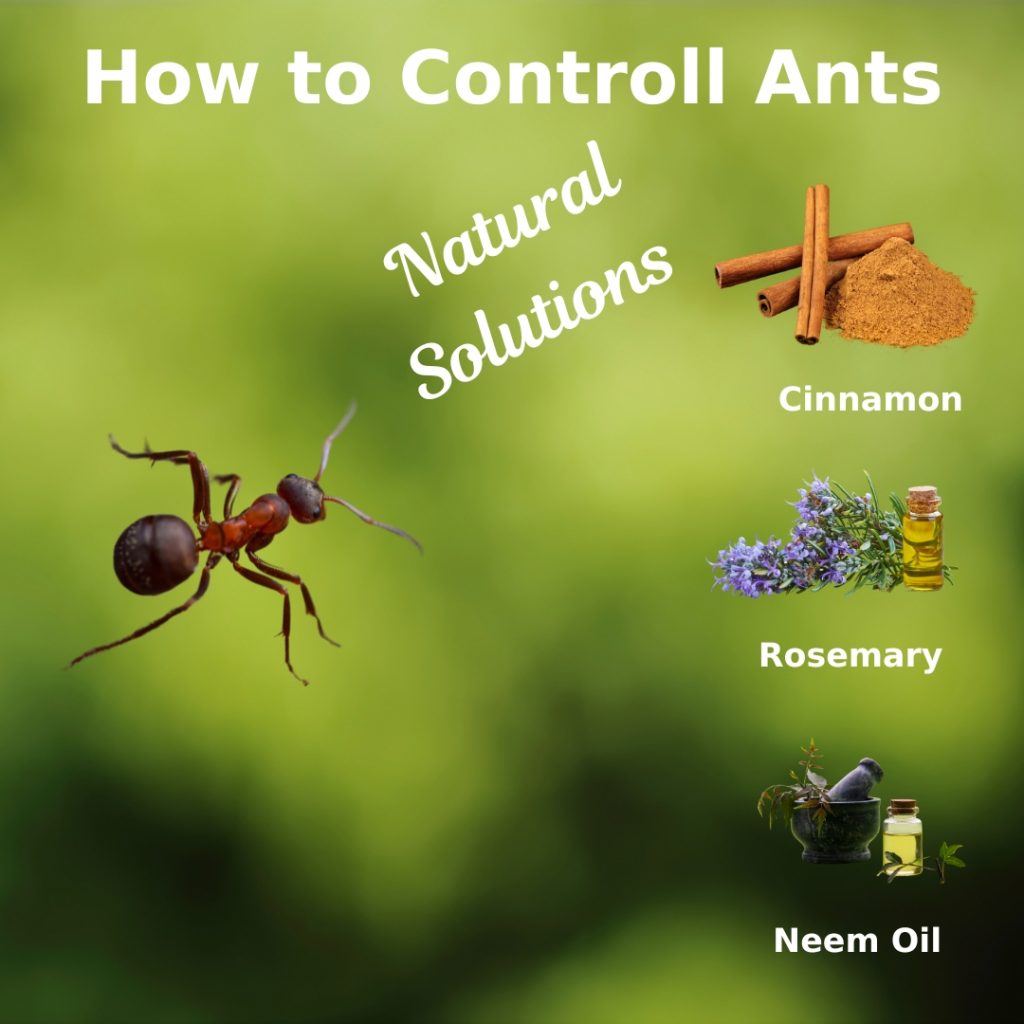
Ant control is essential for maintaining healthy plants in both indoor and outdoor gardens. Indoors, ants often indicate the presence of pests like aphids or mealybugs, which they protect for honeydew. Using bait traps, sealing cracks, and maintaining cleanliness can help deter them. Outdoors, ants may aerate soil but can also disrupt plant roots or protect harmful pests. Natural remedies like diatomaceous earth, neem oil, or cinnamon, along with removing attractants and encouraging ant predators like birds, are effective. Balancing control methods ensures a thriving garden without harmful chemicals.
1. Neem Oil for Ant Control: Neem oil is a powerful, natural solution for controlling ants in your garden. Extracted from the seeds of the neem tree, this oil contains compounds like azadirachtin, which disrupt the hormonal system of insects, including ants. When ants come into contact with neem oil, it can interfere with their ability to feed, reproduce, and navigate, eventually leading to the collapse of the colony. To use neem oil for ant control, dilute it with water according to the manufacturer’s instructions and spray it directly on ant trails, nests, or around the perimeter of your garden. Neem oil is safe for plants, pets, and beneficial insects, making it an eco-friendly choice for gardeners looking for a non-toxic way to manage ant infestations without harming the environment.
2. Create a Barrier with Cinnamon: Cinnamon is a natural repellent that works wonders in deterring ants from entering your garden. The strong, spicy scent of cinnamon disrupts ants’ ability to follow pheromone trails and navigate your garden. To create a barrier, sprinkle ground cinnamon around the base of plants, near ant entry points, or along visible trails. You can also make cinnamon sachets and place them in areas where ants are frequent. Ants generally avoid crossing this spice, so cinnamon can help keep them from invading your garden.
3. Repellent plants for ant controll: Certain plants can naturally repel ants from your garden due to their strong scents or compounds that ants find unpleasant. Plants like mint, lavender, tansy, rosemary, garlic, cinnamon basil, and chrysanthemums are known to deter ants. Mint and lavender, with their refreshing aromas, confuse ants’ scent trails, while garlic and rosemary have scents that ants avoid. Tansy and chrysanthemums contain natural compounds that also repel ants, and cinnamon basil offers a blend of strong scents that keep them at bay. Planting these herbs and flowers around your garden can help control ants without the need for chemicals.