
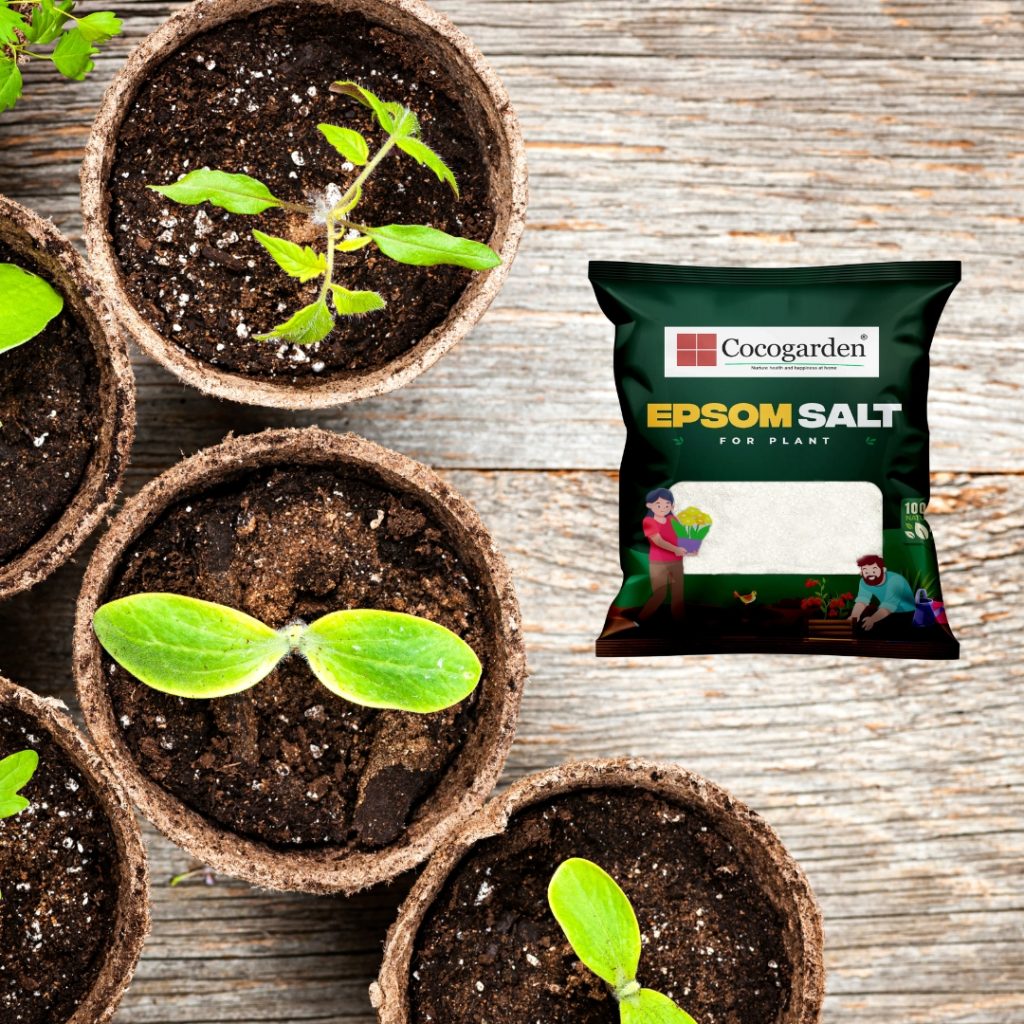
Epsom salt, or magnesium sulfate, is more than a common household item—it’s a powerful ally in the garden. With its unique combination of magnesium and sulfur, Epsom salt offers numerous benefits that can improve plant health, soil quality, and crop yield. Whether you’re growing vegetables, flowers, or houseplants, adding Epsom salt to your gardening routine can make a noticeable difference. Here’s everything you need to know about the benefits of Epsom salt for soil and plant health.
1. Understanding Epsom Salt: Why Magnesium and Sulfur Matter
Epsom salt contains two key elements: magnesium and sulfur, both essential for plant growth. Magnesium is critical for photosynthesis, as it helps plants produce chlorophyll, which is vital for capturing sunlight and producing energy. It also supports the uptake of other essential nutrients, including nitrogen and phosphorus. Sulfur, on the other hand, aids in enzyme function and helps plants build essential proteins. Together, magnesium and sulfur play a crucial role in boosting plant growth, resilience, and nutrient absorption.
2. How Epsom Salt Improves Soil Quality
When added to the soil, Epsom salt can address magnesium deficiencies that may hinder plant growth. Many garden soils, especially those that are sandy or acidic, lack sufficient magnesium, which can lead to weak, yellowing leaves and stunted growth. Adding Epsom salt helps restore magnesium levels, making the soil more fertile and supporting healthier plants. It’s particularly beneficial for nutrient-hungry crops like tomatoes, peppers, and roses, which often require higher magnesium levels for optimal growth and flowering.
3. Boosting Plant Health and Growth with Epsom Salt
For gardeners, one of the biggest advantages of Epsom salt is its ability to strengthen plants and promote vigorous growth. When plants have sufficient magnesium, they can absorb other essential nutrients more effectively. Regularly applying diluted Epsom salt can result in stronger stems, more vibrant foliage, and increased resilience against diseases. The sulfur in Epsom salt also plays a role in improving plant resilience, making them better equipped to handle stressors such as pests, drought, or temperature fluctuations.
4. Using Epsom Salt for Specific Garden Plants
Certain plants benefit from Epsom salt more than others. For instance, tomatoes and peppers are heavy feeders and often show improved growth, more blooms, and higher fruit yields when given a regular dose of Epsom salt. Roses, too, thrive with Epsom salt applications, producing more lush foliage and fragrant, abundant blooms. To use Epsom salt, dissolve one tablespoon in a gallon of water and apply it to the soil or spray it on the leaves every two to four weeks. This foliar application allows for quicker absorption of magnesium, especially beneficial for plants showing signs of deficiency.
5. Tips for Safe and Effective Epsom Salt Application
While Epsom salt is highly beneficial, moderation is key. Applying too much can lead to an excess of magnesium, which might inhibit the absorption of calcium and potassium, essential nutrients for many plants. Start with a small amount, monitor your plants, and gradually increase if needed. Also, perform a soil test to check for magnesium levels, as this will help you determine if Epsom salt is truly necessary for your garden. For potted plants, use Epsom salt sparingly and ensure you have adequate drainage to prevent any salt buildup in the soil.