
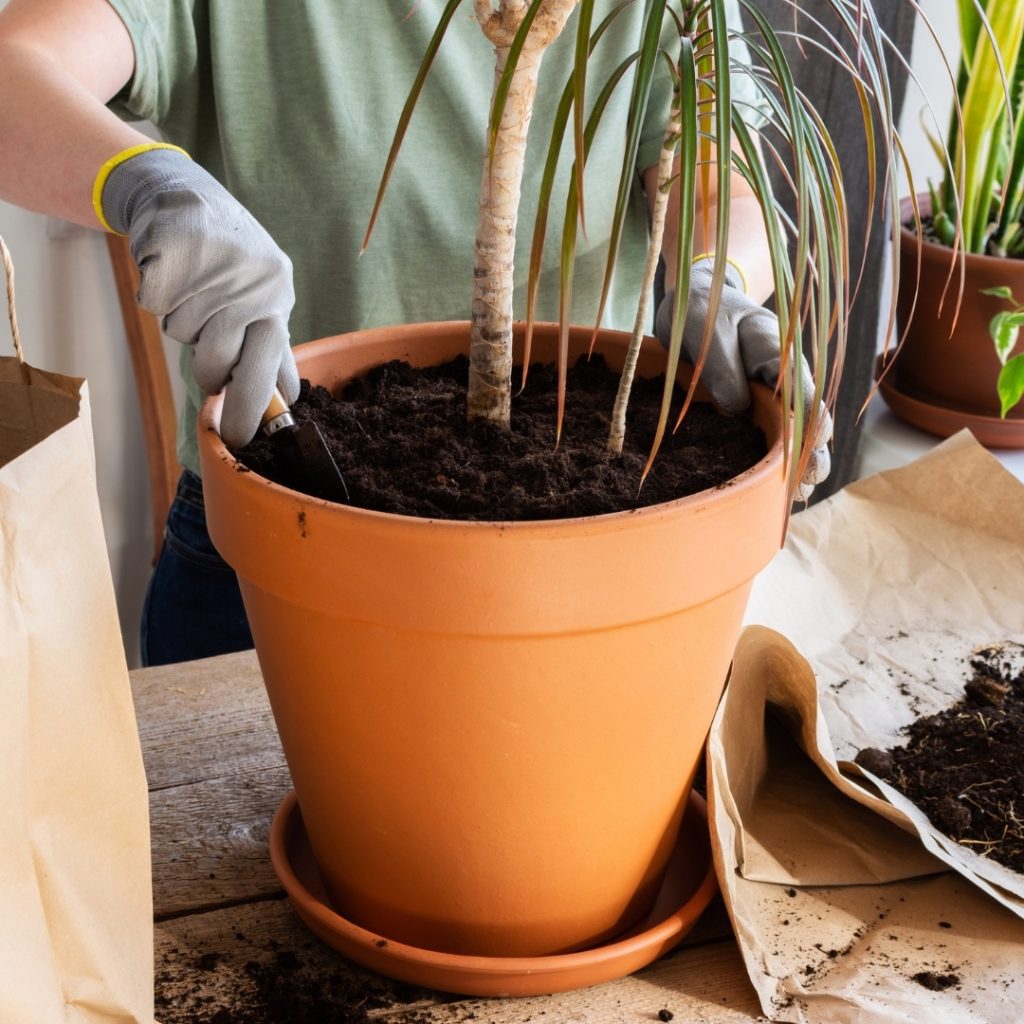
Healthy soil is the foundation of a thriving garden. Start by testing the soil’s pH and nutrient levels using a soil testing kit to identify deficiencies or imbalances. Assess its texture by feeling for sand, silt, or clay content, and check drainage by observing water absorption. To improve soil, add organic matter like compost or well-rotted manure to boost fertility and structure. For specific needs, amend the soil with lime to raise pH, sulfur to lower it, or targeted fertilizers for nutrient deficiencies.
1. Soil Moisture Levels: Regularly check the moisture level of the soil to ensure it’s neither too dry nor too wet. You can do this by sticking your finger 1-2 inches into the soil. If it feels dry at this depth, it’s time to water. Overwatering or underwatering can stress plants and affect their growth, so keeping track of soil moisture is crucial for optimal plant health.
2. Check for Soil Compaction: Soil compaction can limit root growth and water penetration, affecting plant health. Regularly check if the soil feels hard or compacted, especially in high-traffic areas or places with heavy watering. If the soil is compacted, you may need to aerate it by loosening it with a garden fork or tiller to improve drainage and allow roots to spread.
3. Inspect Soil Drainage: Ensure your garden soil drains properly by checking for standing water after a rainfall or watering. Poor drainage can lead to root rot and other problems. If you notice water pooling or slow drainage, amend the soil by adding organic matter like compost or sand to improve its structure and drainage.
4. Look for Signs of Nutrient Deficiency: Regularly check for symptoms of nutrient deficiencies in your plants, such as yellowing leaves (often a sign of nitrogen deficiency) or poor flowering (which could indicate a phosphorus deficiency). Soil testing can help you identify which nutrients may be lacking so that you can add the appropriate fertilizers or organic amendments.
5. Check for Pests and Diseases in the Soil: Inspect the soil for signs of pests such as ants, grubs, or root-eating insects. These pests can damage plant roots and disrupt soil health. Also, look for signs of fungal or bacterial infections, such as mold growth or foul-smelling soil, which may require treatment with natural remedies or soil amendments.