
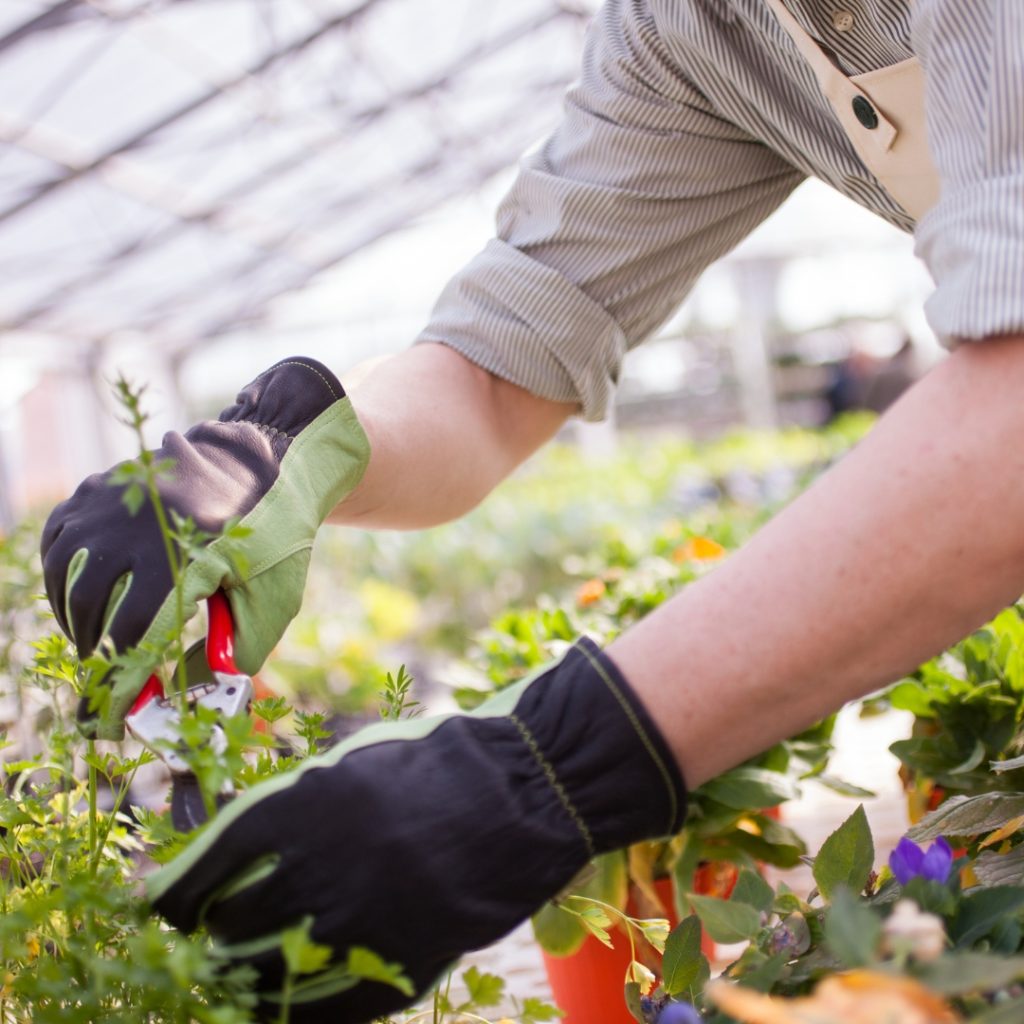
Pruning is much more than just cutting back branches. It helps plants stay healthy by encouraging strong growth, removing dead or diseased wood, and ensuring the plant’s energy is focused on its most important parts. Here’s why pruning is important for your garden plants
Promotes Healthy Growth: By removing old, dead, or weak growth, you allow the plant to focus its energy on new, vigorous shoots. Encourages More Blooms: Regular pruning helps stimulate the growth of new flowers and fruits, especially for flowering shrubs and fruit-bearing plants.
Improves Air Circulation: Pruning opens up the canopy of a plant, improving airflow and reducing the risk of fungal diseases. Maintains Shape and Size: Pruning helps you maintain the desired size and shape of your plants, ensuring they fit well into your garden design.
How to Prune Garden Plants: Step-by-Step
Identify What to Cut: Look for dead, damaged, or diseased wood. These parts should be removed first to prevent any potential spread of disease. Cut back any crossing or rubbing branches to improve the plant’s structure. For flowering plants, remove spent flowers to encourage more blooms.
Make Clean Cuts: Use sharp, clean tools to make your cuts. This will prevent damage to the plant and reduce the risk of infection. Cut just above a leaf node or bud. For larger branches, make a clean, angled cut at the branch collar (the swollen area where the branch meets the trunk) to help the plant heal.
Shape Your Plant: Step back and assess the overall shape of the plant. Trim any branches that make the plant look uneven or out of shape. For shrubs, keep the center open for better air circulation and focus on shaping the outer edges. Remove Excess Growth: If the plant is overgrown, you may need to reduce its size. Trim back overly long or leggy stems to maintain a balanced shape. Be sure not to remove more than a third of the plant at once, as this can stress the plant.