
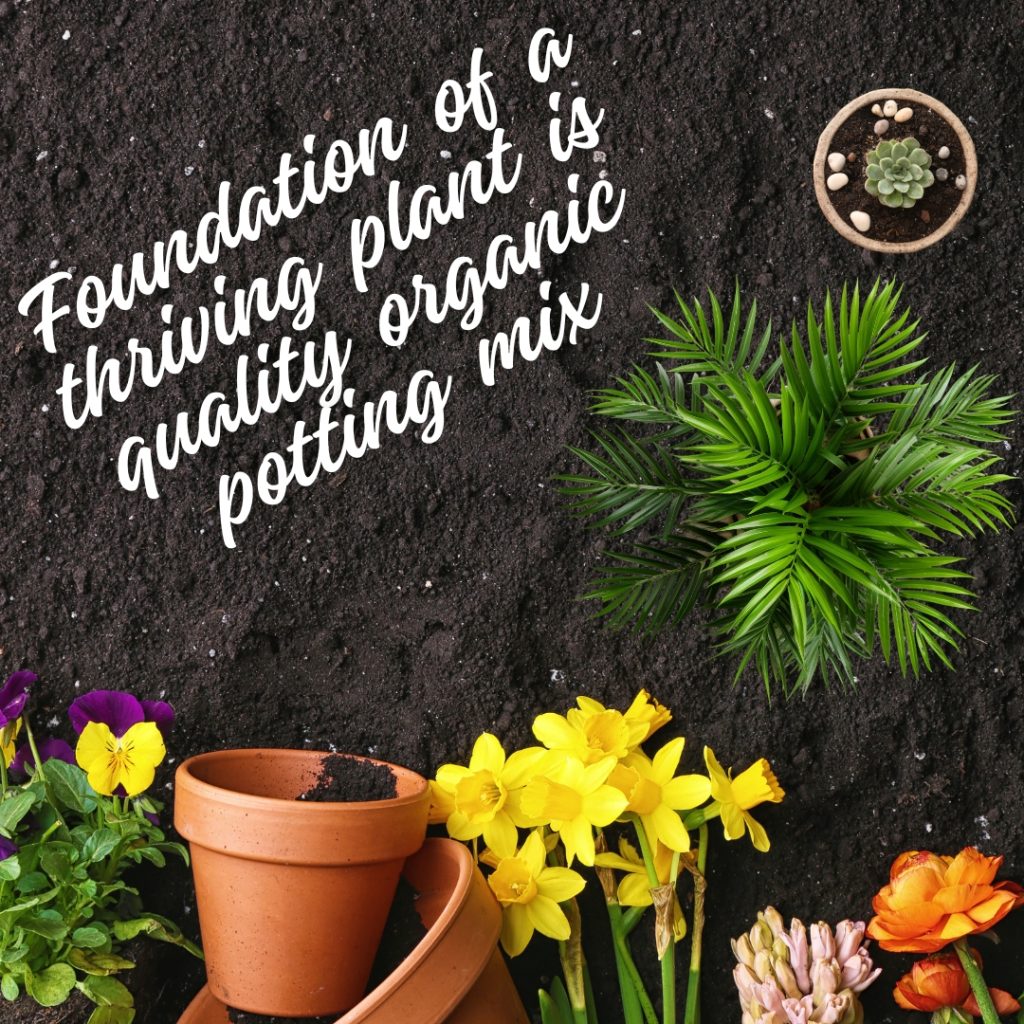
When it comes to gardening, the foundation of a thriving plant is quality soil, and for container gardening, that means choosing the right potting mix. Organic potting mix has become a popular choice among gardeners seeking healthier, sustainable, and environmentally-friendly options for their plants. This guide will walk you through what organic potting mix is, why it matters, and how to choose the best one for your garden needs.
1. What Is Organic Potting Mix and Why It’s Important
An organic potting mix is a soil-less blend that typically includes natural ingredients such as compost, coconut coir, peat moss, perlite, and natural fertilizers. Unlike conventional mixes, organic potting mix avoids synthetic chemicals and pesticides, focusing instead on nourishing plants with a balanced, naturally-derived nutrient profile. Organic potting mixes support plant health by enriching the soil with beneficial microorganisms, improving root growth, and reducing chemical exposure in your garden and food. For gardeners growing edible plants, this can be particularly important, as it minimizes chemical residues and promotes safer produce.
2. Key Benefits of Using Organic Potting Mix
Using organic potting mix offers multiple advantages. Firstly, it provides a more natural growing environment for plants, improving their resilience against pests and diseases. The natural fertilizers in organic potting mix are typically slow-release, feeding plants gradually, which means fewer instances of root burn or nutrient overdose. Organic mixes also help retain moisture better, reducing the need for frequent watering, and promote better drainage, which is essential for healthy root systems. Additionally, organic potting mixes support beneficial microorganisms and earthworms, which aid in soil aeration and nutrient cycling.
3. Ingredients to Look for in High-Quality Organic Potting Mix
When choosing an organic potting mix, check the label for beneficial ingredients. Look for components like coconut coir or peat moss, which improve water retention and aeration. Compost is essential for adding organic matter, which boosts nutrient availability and supports beneficial soil life. Perlite or vermiculite are good for drainage, preventing root rot and compaction. For added nutrients, look for organic fertilizers such as worm castings, bone meal, or kelp meal, which provide essential nutrients naturally. Avoid potting mixes with added synthetic fertilizers, as these detract from the organic benefits and may harm beneficial soil life.
4. Choosing the Right Organic Potting Mix for Your Plants
Different types of plants have varying soil requirements, and it’s important to select an organic potting mix that matches your plant’s specific needs. For example, succulents and cacti require a mix with excellent drainage, so a cactus-specific organic potting mix with added sand or grit would be ideal. For vegetables and herbs, choose a nutrient-rich mix with plenty of compost and a higher water-retention capacity. For indoor plants, an all-purpose organic mix with good aeration and water-holding properties will generally work well. Matching the mix to your plant’s needs will help you grow healthier plants with less maintenance.
5. How to Use and Maintain Organic Potting Mix for Long-Term Success
Using organic potting mix is simple, but a few best practices can make a big difference. Start by filling containers with your organic mix, leaving space at the top to water. After planting, keep the soil consistently moist but avoid overwatering to prevent root issues. Since organic potting mix feeds plants slowly, you may want to add extra nutrients after a few months by top-dressing with compost or adding organic liquid fertilizer. Refresh the potting mix annually or when repotting, and consider blending in additional compost or fresh organic mix to keep nutrients available for new plant growth.