
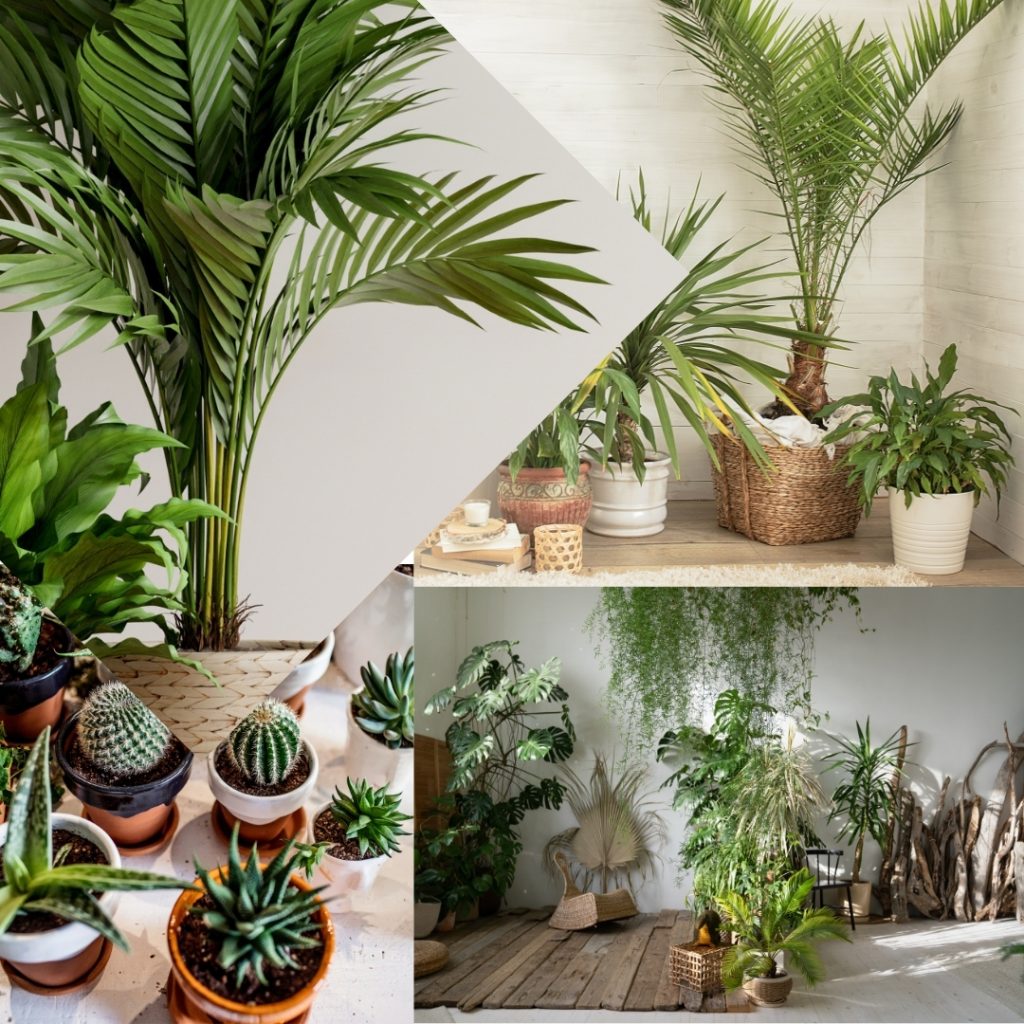
If you love the idea of adding greenery to your home but worry about the time and effort needed to care for plants, you’re not alone. The good news is that low-maintenance houseplants are the perfect solution for anyone who wants to enjoy the beauty of plants without the stress of constant care. These resilient plants require minimal attention, making them ideal for beginners, busy professionals, or anyone who wants to enjoy stunning results with little effort. In this guide, we’ll show you how to care for low-maintenance houseplants and help you achieve the lush, vibrant space you’ve always wanted—without the added stress.
Why Low-Maintenance Plants Are Perfect for Stress-Free Care
Low-maintenance plants are a fantastic choice for anyone who wants to enjoy the beauty and benefits of indoor plants without the constant upkeep. Here’s why they’re great for stress-free plant care:
Less Frequent Watering: Many low-maintenance plants can go weeks without needing water, reducing the stress of daily or weekly watering routines.
Tolerant to Various Light Conditions: These plants thrive in low to medium light, meaning you don’t need to worry about finding the perfect sunny spot.
Forgiving Nature: Low-maintenance plants are generally very forgiving, bouncing back from occasional neglect or overwatering.
Air-Purifying: Many of these plants help purify indoor air, improving the overall health of your home while requiring minimal effort.
How to Care for Low-Maintenance Houseplants
While low-maintenance plants are easy to care for, knowing the right care tips can help them thrive and look stunning in your space. Here’s how to care for your low-maintenance houseplants without stress:
Choose the Right Plant for Your Environment
The first step in caring for low-maintenance houseplants is choosing the right plant for your environment. Some plants are more tolerant of low light, while others need a little more sun. Consider your space—whether it’s bright and sunny or a bit darker—and select plants that will thrive in those conditions. Some of the best low-maintenance plants for different light conditions include:
Watering
The Key to Stress-Free Plant Care One of the biggest challenges for new plant owners is getting the watering right. Luckily, many low-maintenance houseplants are tolerant of drought and can go without water for weeks. Overwatering is often a bigger problem than underwatering for these plants. Here’s how to water your plants correctly:
Watering Tip: Always let the top 1–2 inches of soil dry out before watering again. Drainage: Ensure your pots have good drainage to prevent water from pooling at the bottom, which can lead to root rot. Watering Frequency: For most low-maintenance plants, watering every 1–3 weeks is sufficient, depending on the size of the plant and the environment.
Light
Finding the Right Spot Low-maintenance plants are generally very adaptable when it comes to light conditions. However, it’s essential to place them in the right spot to ensure they get the light they
need to thrive:
Indirect Light: Most low-maintenance plants prefer bright, indirect light. Avoid placing them in direct sunlight for extended periods, as this can scorch their leaves.
Low Light: Some plants, like the snake plant and ZZ plant, can thrive in low-light areas, such as hallways or corners of the room.
Feeding Your Low-Maintenance Plants
While low-maintenance plants don’t require frequent feeding, a little fertilizer can go a long way in keeping them healthy and vibrant. During the growing season (spring and summer), you can feed your plants once a month with a balanced, diluted liquid fertilizer.
Fertilizing Tip: During the dormant season (fall and winter), most low-maintenance plants don’t need fertilizing, as they’re not actively growing.
Cleaning and Pruning
To keep your plants looking their best, regular cleaning and occasional pruning are important. Dust can accumulate on the leaves, blocking sunlight and affecting photosynthesis. Here’s how to keep your plants clean and healthy:
Cleaning: Use a soft, damp cloth to wipe the leaves gently and remove any dust. Pruning: If your
plants start to get too leggy or overgrown, trim them back to encourage healthy growth and maintain their shape.